In contrast to polished, sterile spaces, Wabi Sabi Interior Design celebrates raw materials, imperfect textures, and the timeless beauty of aging elements. This article showcases 23 peaceful, earthy, and Japanese-style Wabi Sabi home ideas & inspirations that reflect the core values of Wabi Sabi—simplicity, nature, and impermanence.
Whether you’re redesigning your master suite or seeking rustic minimalist decor for a guest nook, these ideas will help you create a tranquil sanctuary of relaxation—especially when paired with thoughtful details like bathroom wallpaper.
1. Textured Plaster Walls
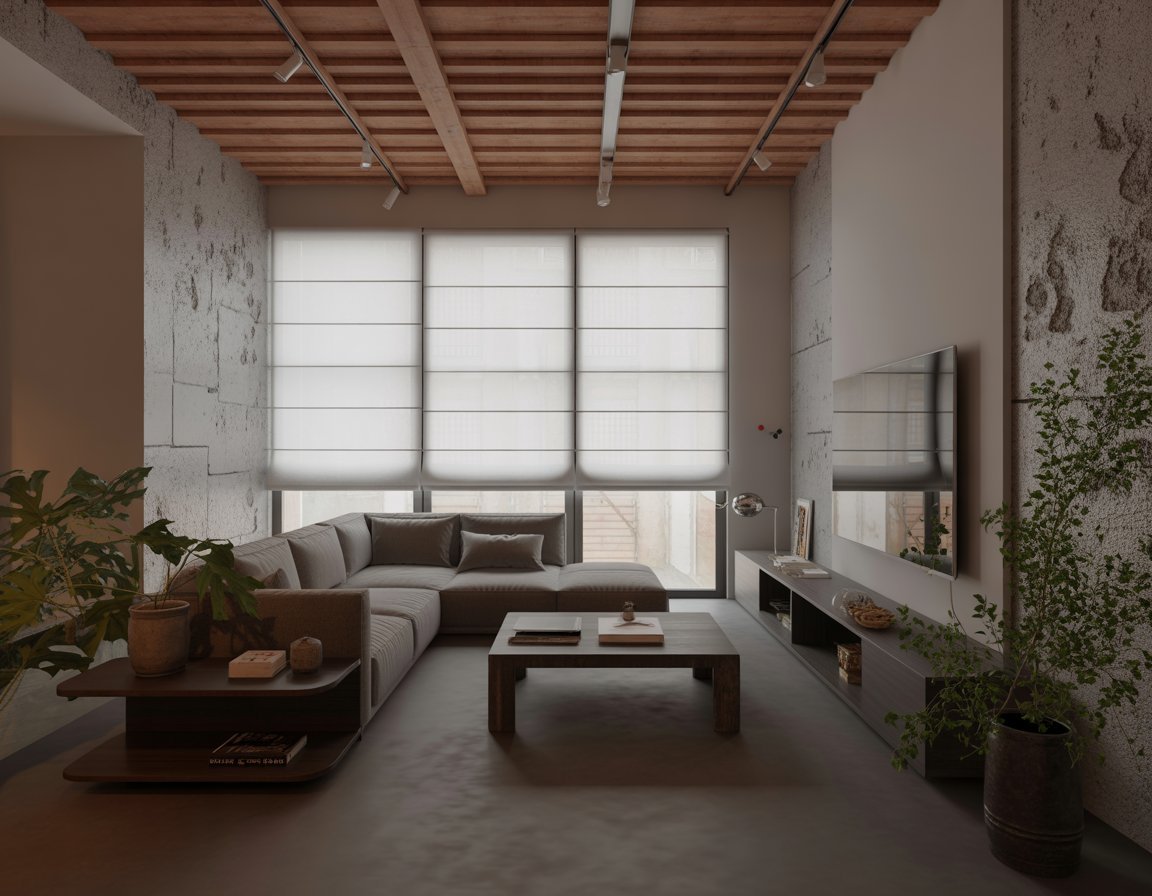
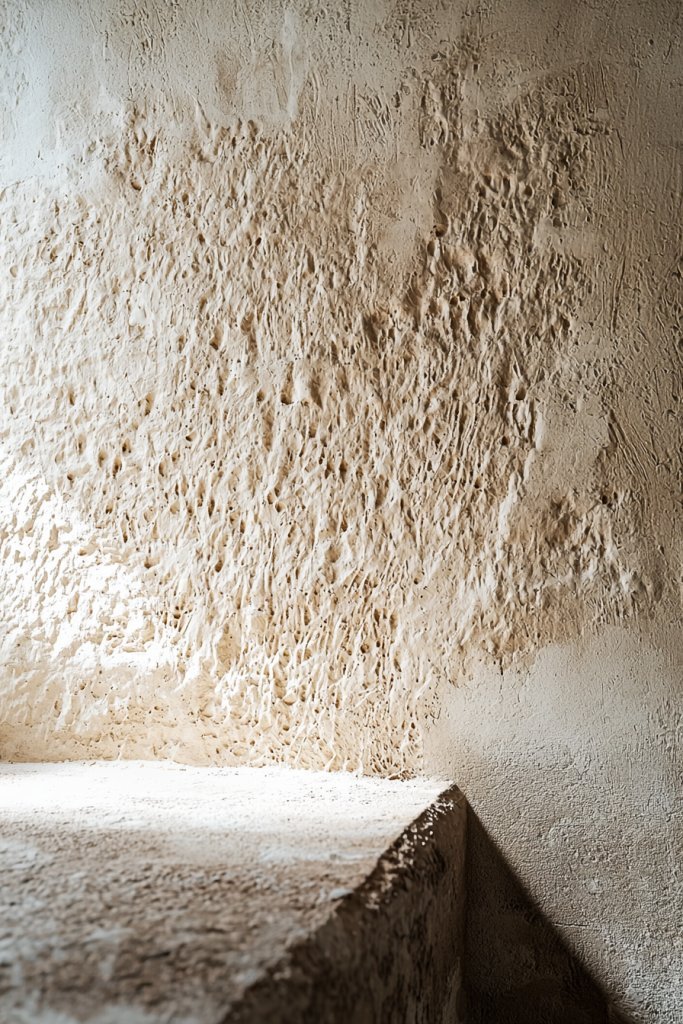
Introduce textured plaster walls for a weathered, ancient aesthetic that grounds your space. Earthy tones like taupe, beige, or stone gray reinforce the natural, organic feeling Wabi Sabi is known for. The imperfections in the texture bring authenticity and quiet depth to your interiors.
2. Reclaimed Wood Accents
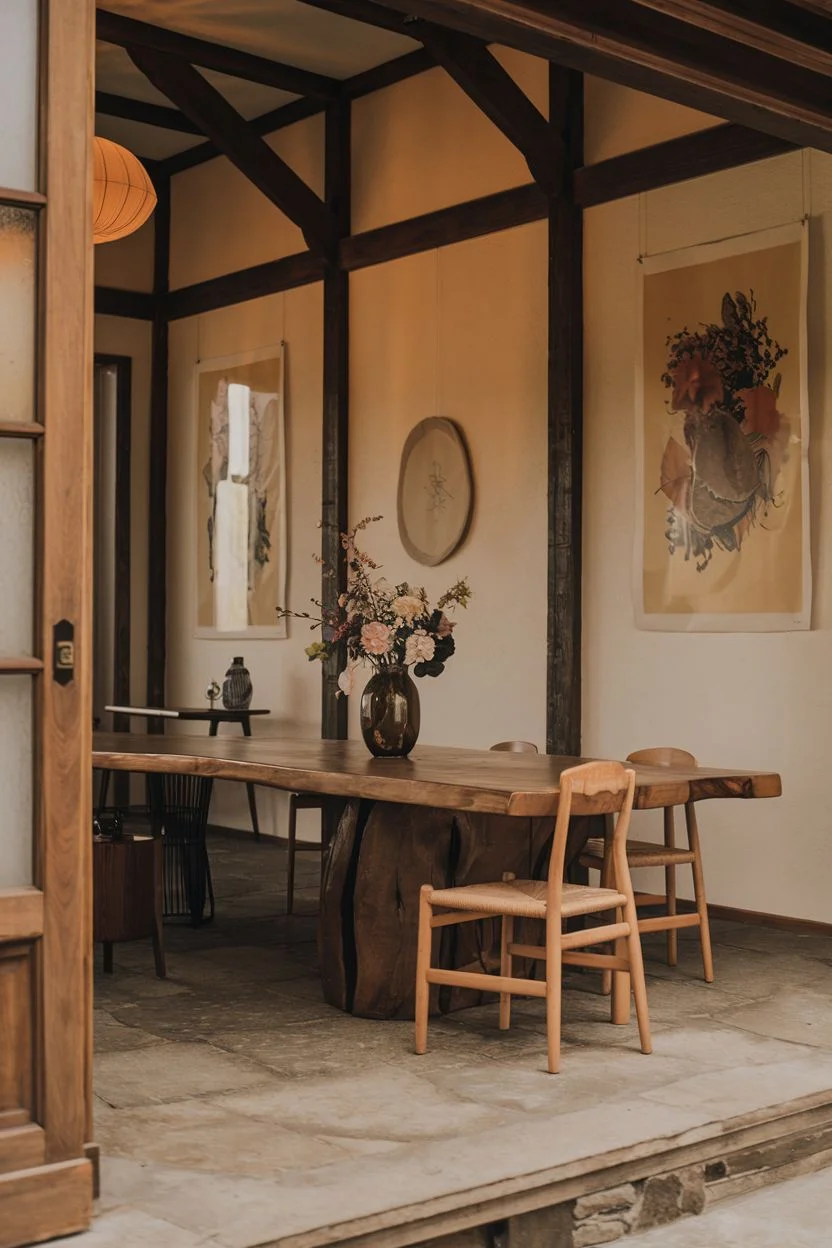
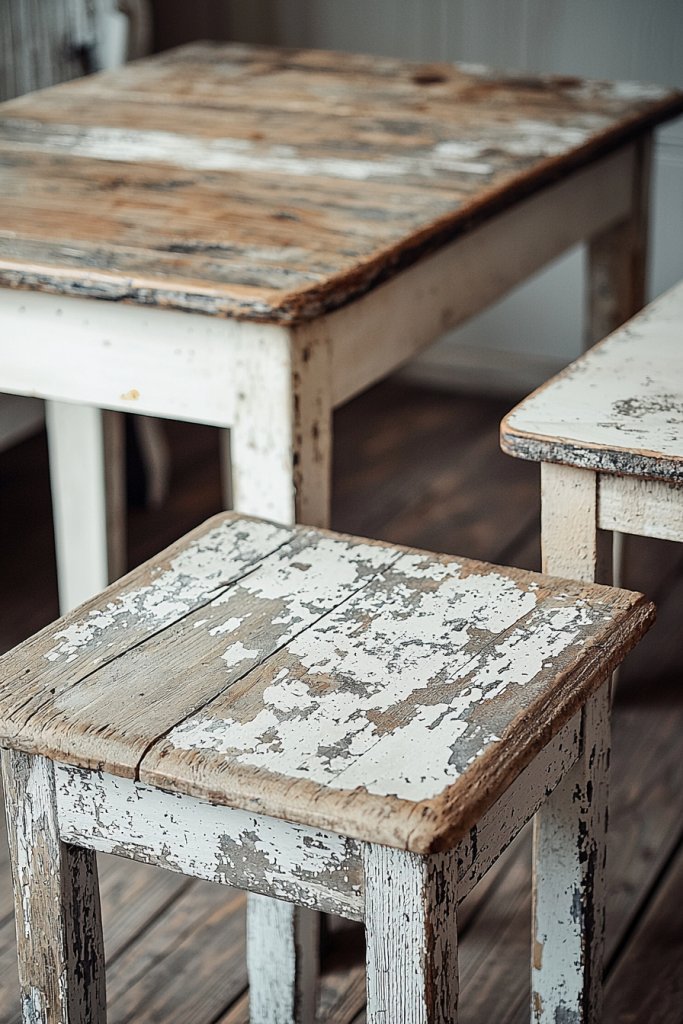
Use reclaimed wood for beams, shelves, or tables. Their cracks, knots, and visible wear showcase beauty in age and story, which aligns perfectly with Wabi Sabi’s core philosophy. These natural surfaces soften even the most minimalist rooms.
3. Neutral Color Palette
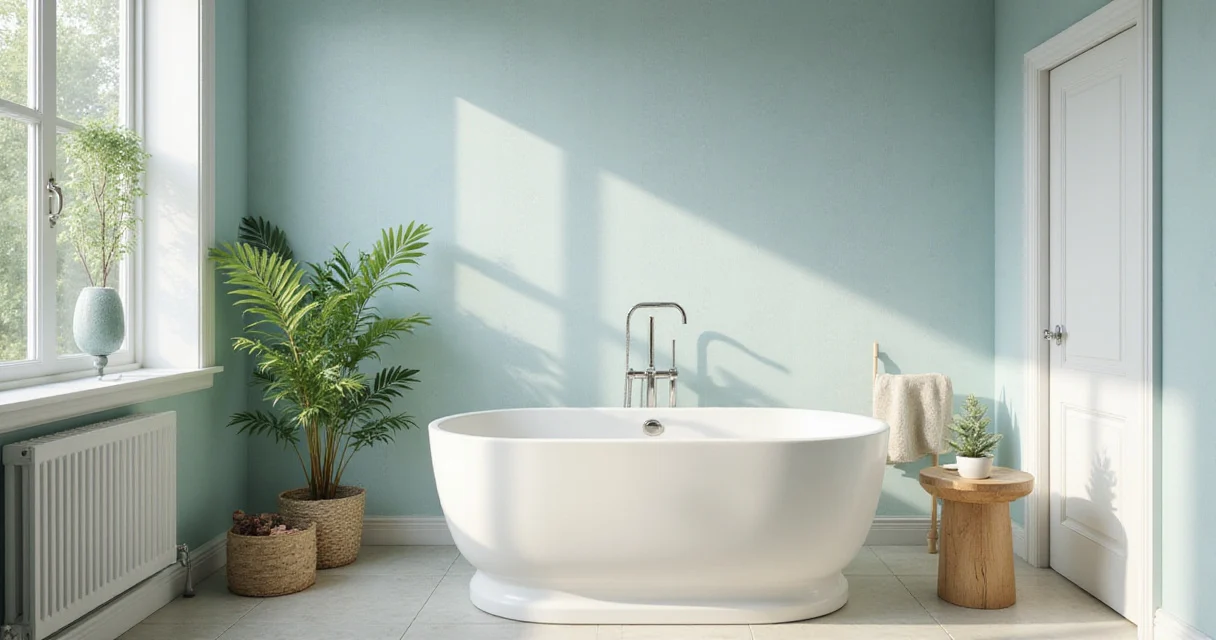
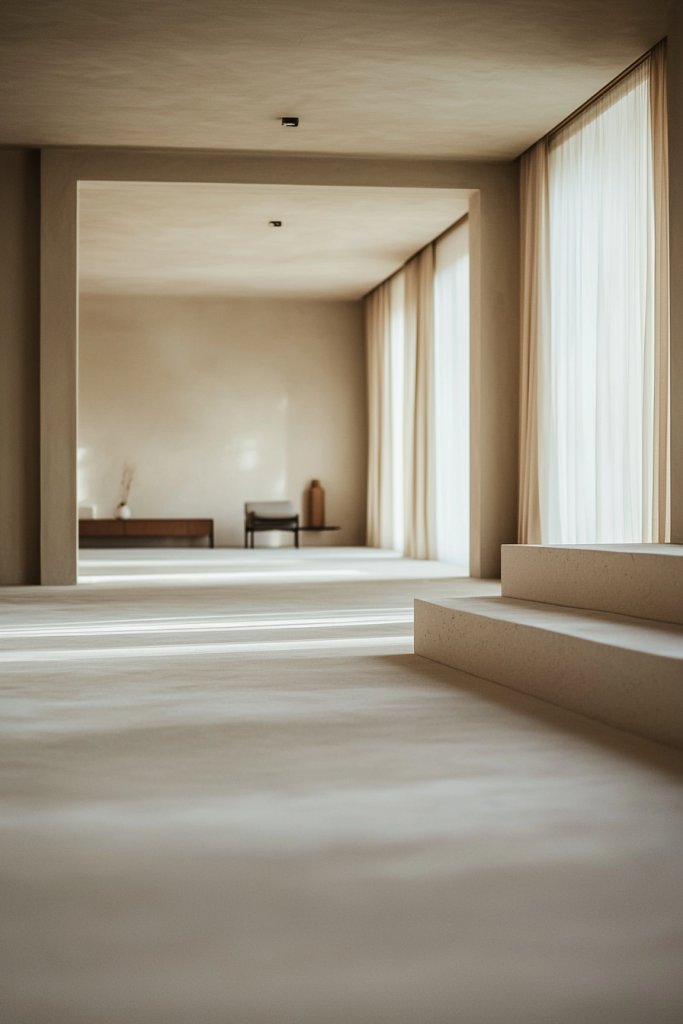
Opt for a neutral color palette—think warm whites, gentle greys, and earthy browns. These hues create harmony and complement Wabi Sabi’s focus on calm, reflective environments. Soft tones let textures and forms take the spotlight.
4. Handmade Ceramics
Add handcrafted ceramics with irregular shapes and finishes to reflect the Wabi Sabi principle of imperfection. Whether mugs, vases, or plates, these artisan pieces offer warmth, soul, and a sense of intimacy that mass-produced items lack.
5. Unpolished Stone Surfaces
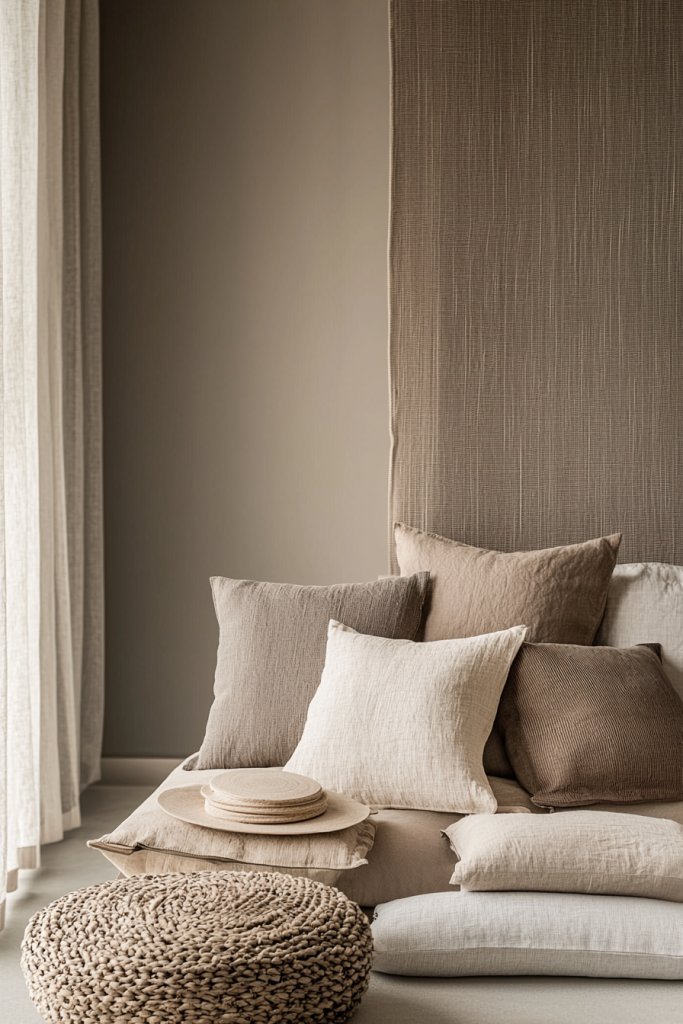
Incorporate raw stone elements like granite, slate, or travertine. Whether on countertops or decor items, these surfaces enhance the authenticity of Wabi Sabi interiors, evoking nature’s untouched forms.
6. Linen and Cotton Fabrics
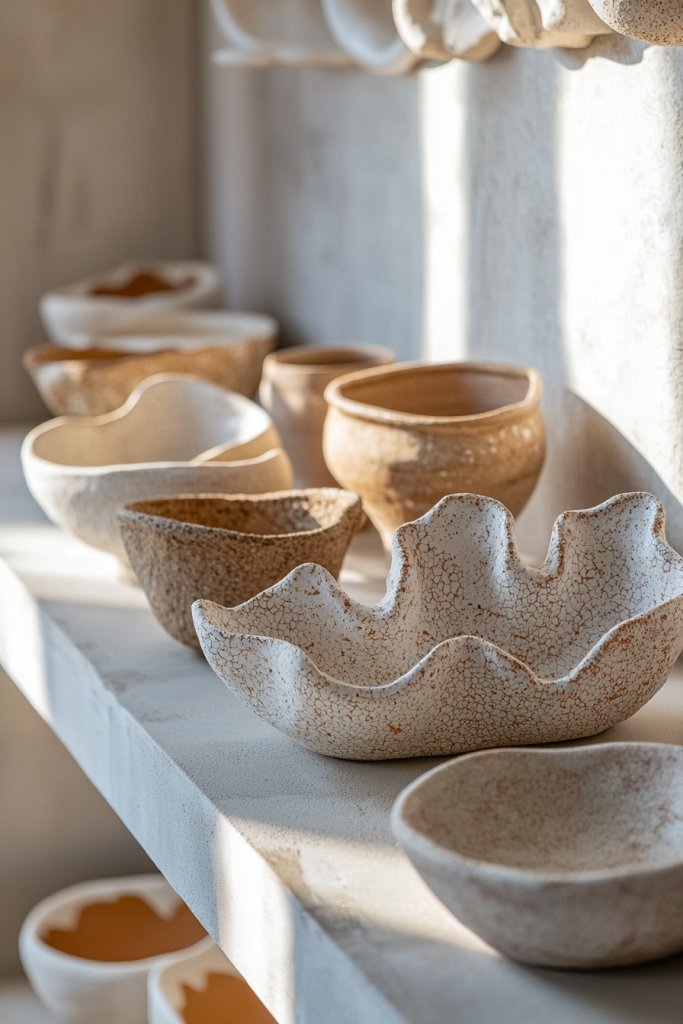
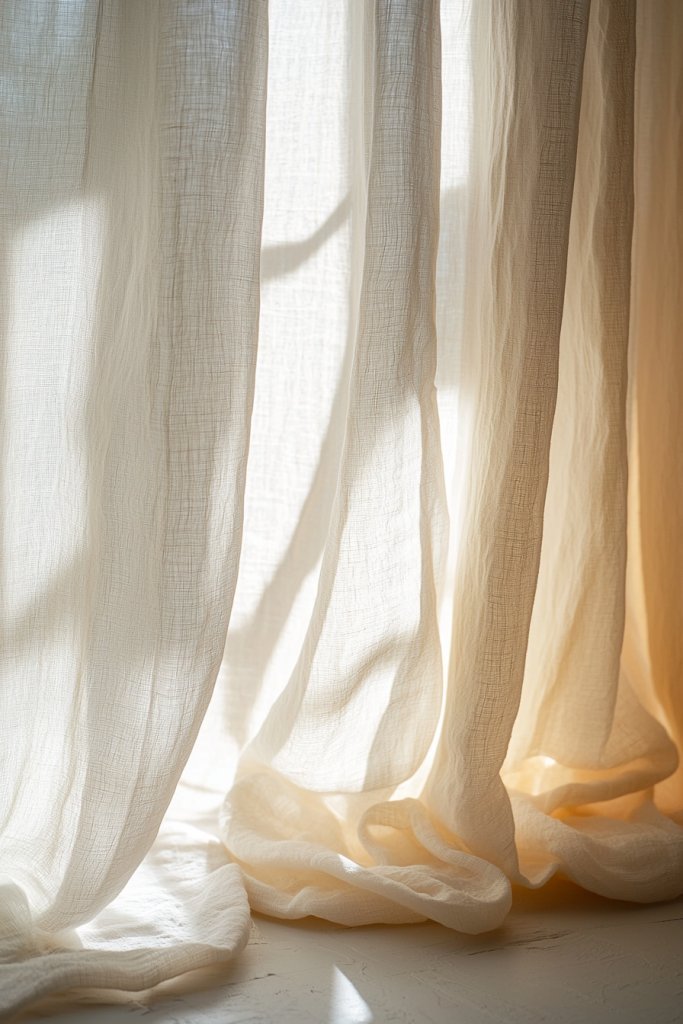
Natural textiles like linen and cotton in their raw or crinkled state add softness and informality. These materials flow gently and embody the essence of Wabi Sabi design—beauty in simplicity and imperfection.
7. Weathered Furniture
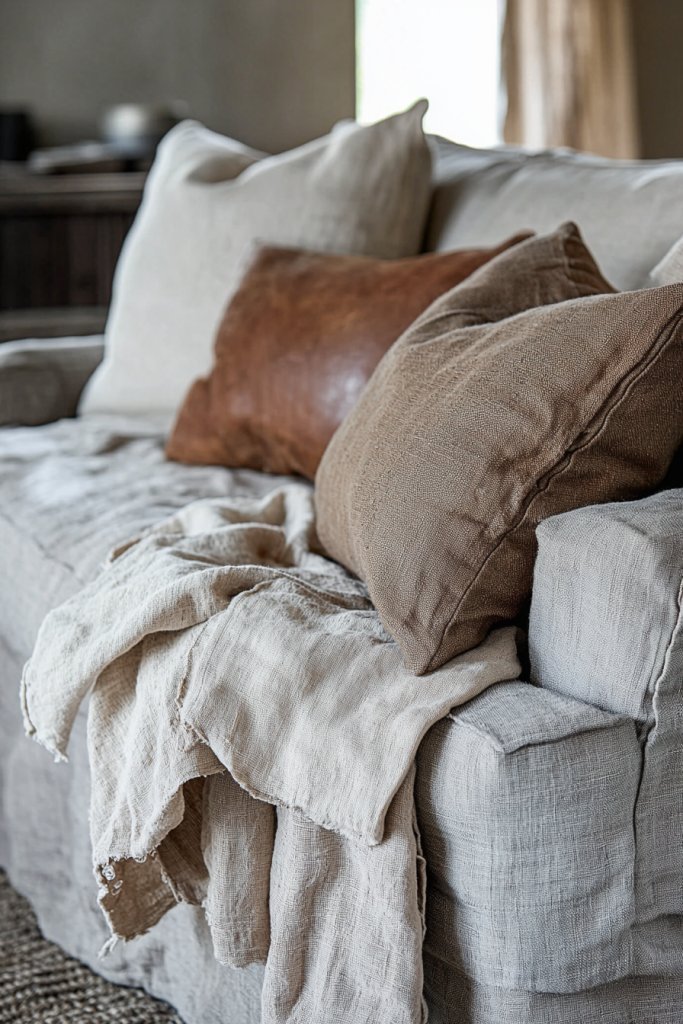
Choose aged or distressed furniture that tells a story. Nicks, faded finishes, and uneven coloring are welcome. These signs of age create depth and character, fitting seamlessly into Wabi Sabi home design.
8. Organic Shapes and Forms
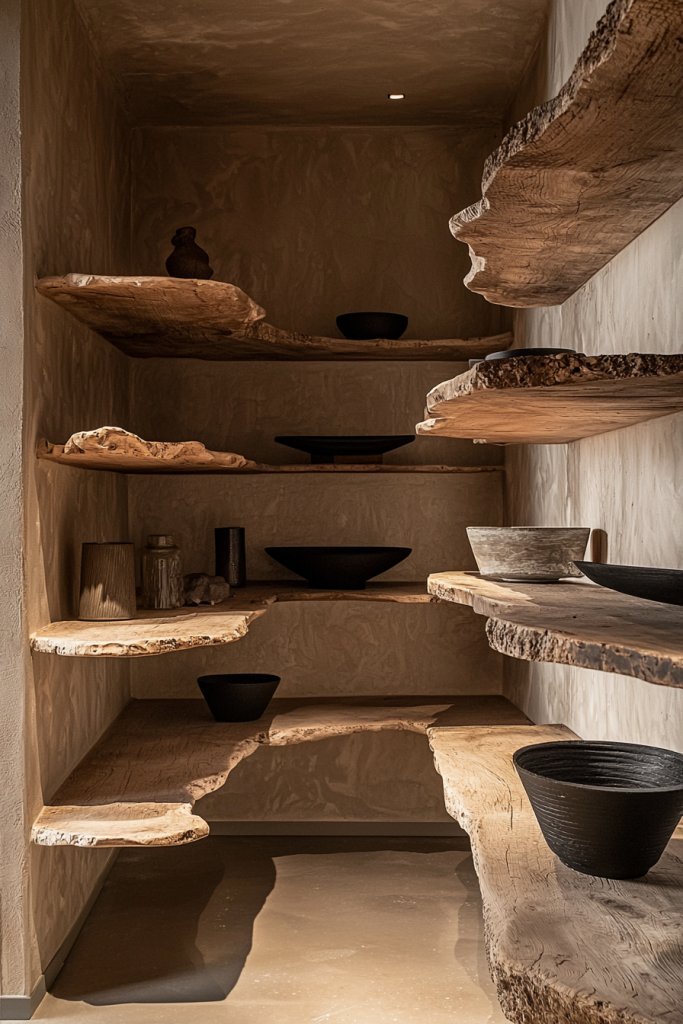
Avoid overly sharp lines or symmetrical structures. Organic forms—like wavy mirrors, uneven bowls, or asymmetrical chairs—capture the natural imperfection celebrated in Japanese Wabi Sabi interiors.
9. Muted Lighting
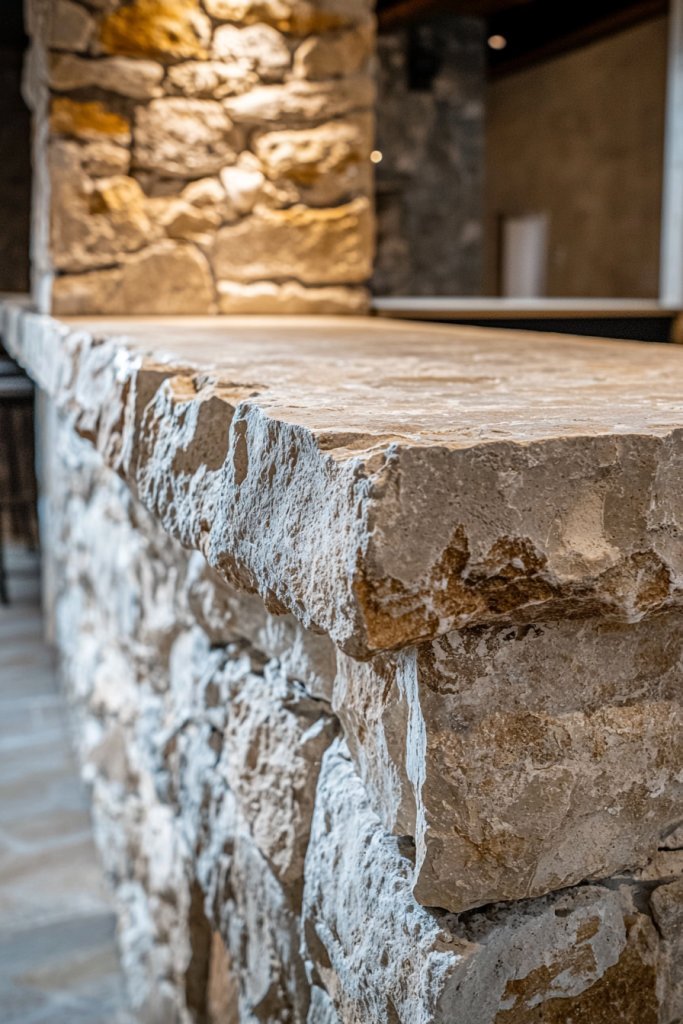
Opt for soft, ambient lighting that mimics natural light sources. Shoji-style lanterns, wall sconces, or dimmable bulbs help maintain a warm, meditative ambiance true to Wabi Sabi minimalist interiors.
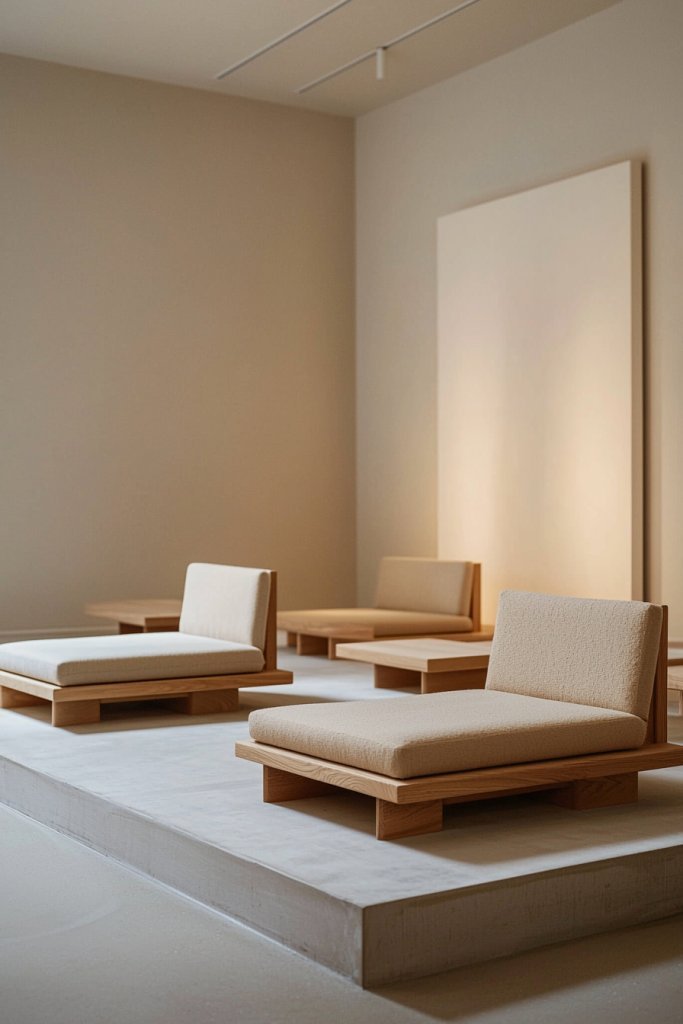
10. Vintage Finds with Patina
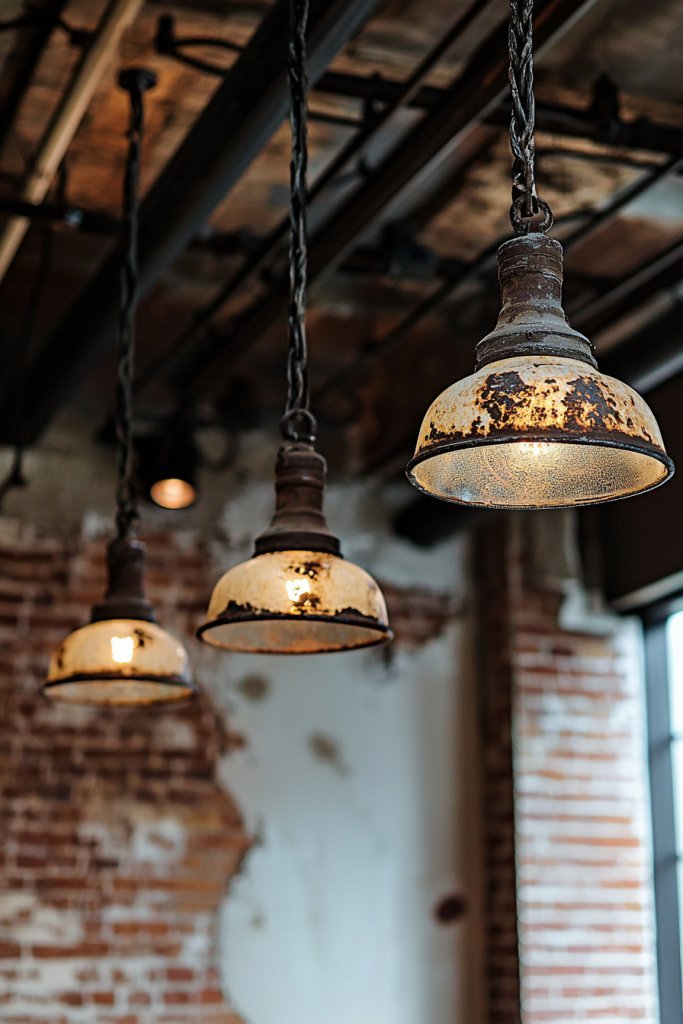
Layer in vintage decor with aged finishes, rust, or patina. These elements not only reduce waste but also align with the Wabi Sabi lifestyle—honoring the passage of time and embracing the flawed.
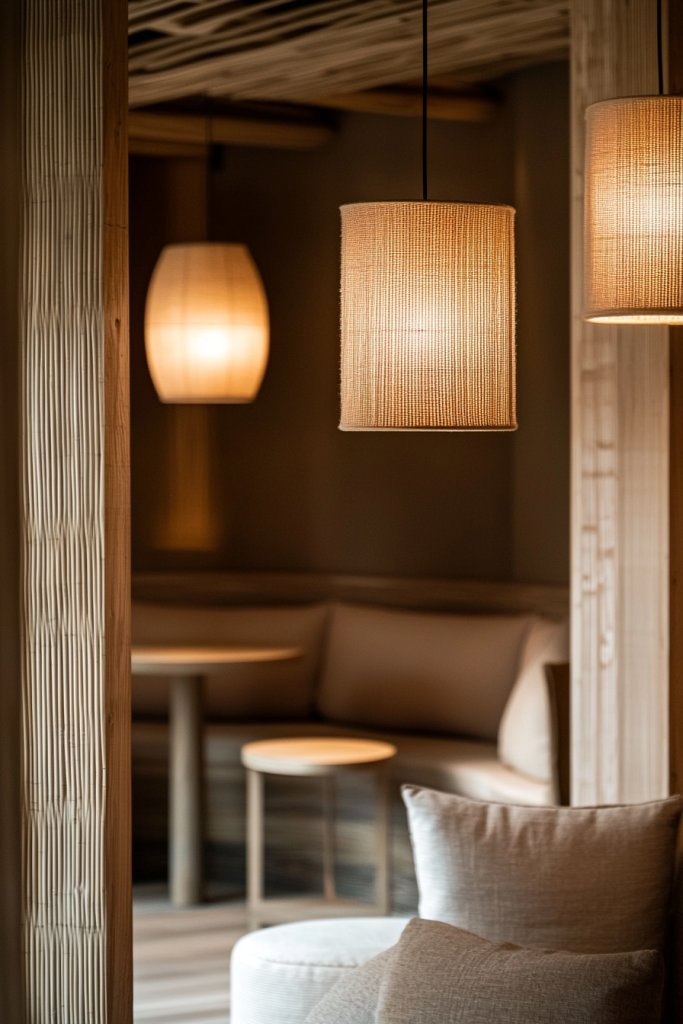
11. Indoor Greenery and Bonsai
Bring life indoors with potted plants, moss bowls, or a small bonsai tree. Natural elements enhance the earthy vibe and promote the tranquil balance that Wabi Sabi Japanese design thrives on.
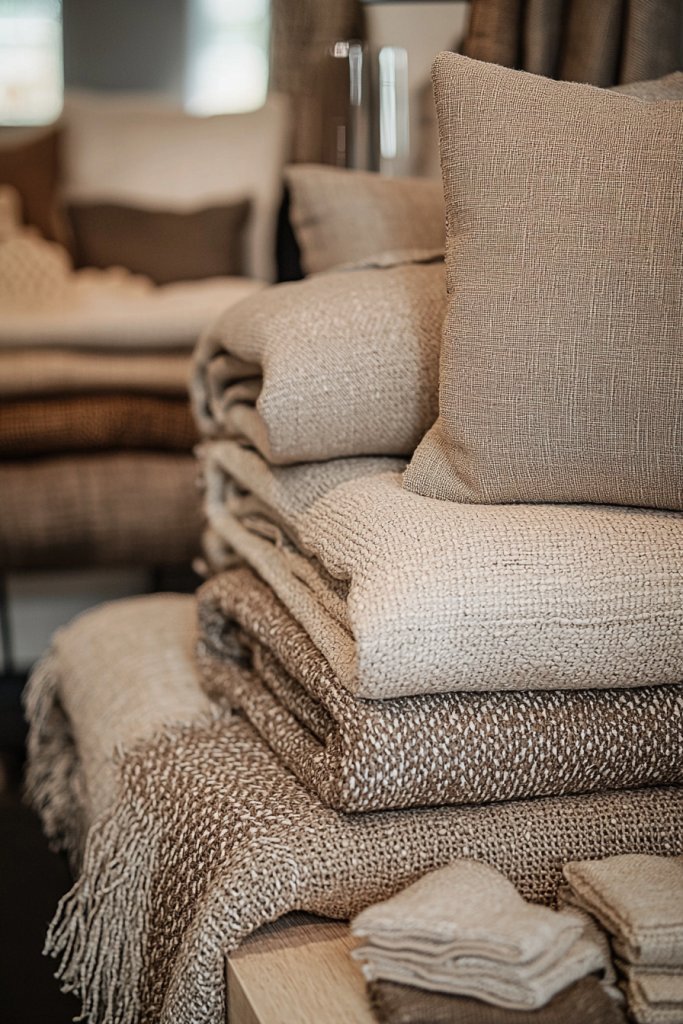
12. Open Space with Breathing Room
Let negative space speak. Don’t overcrowd your layout. The Wabi Sabi aesthetic appreciates the beauty of emptiness—an uncluttered room invites reflection and mindful living.
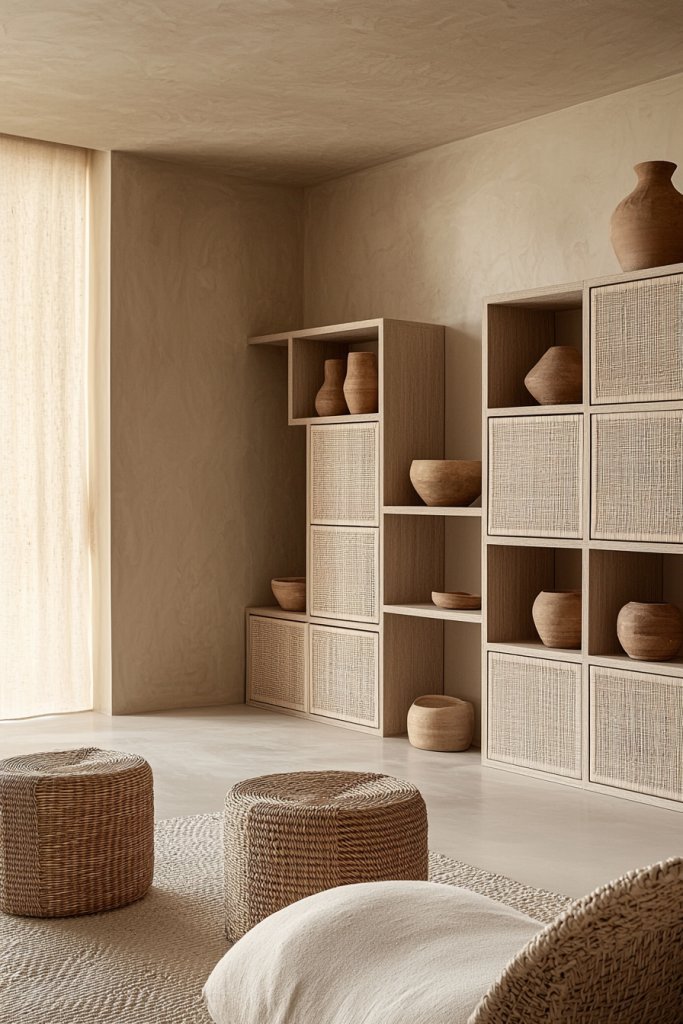
13. Imperfect Wall Art
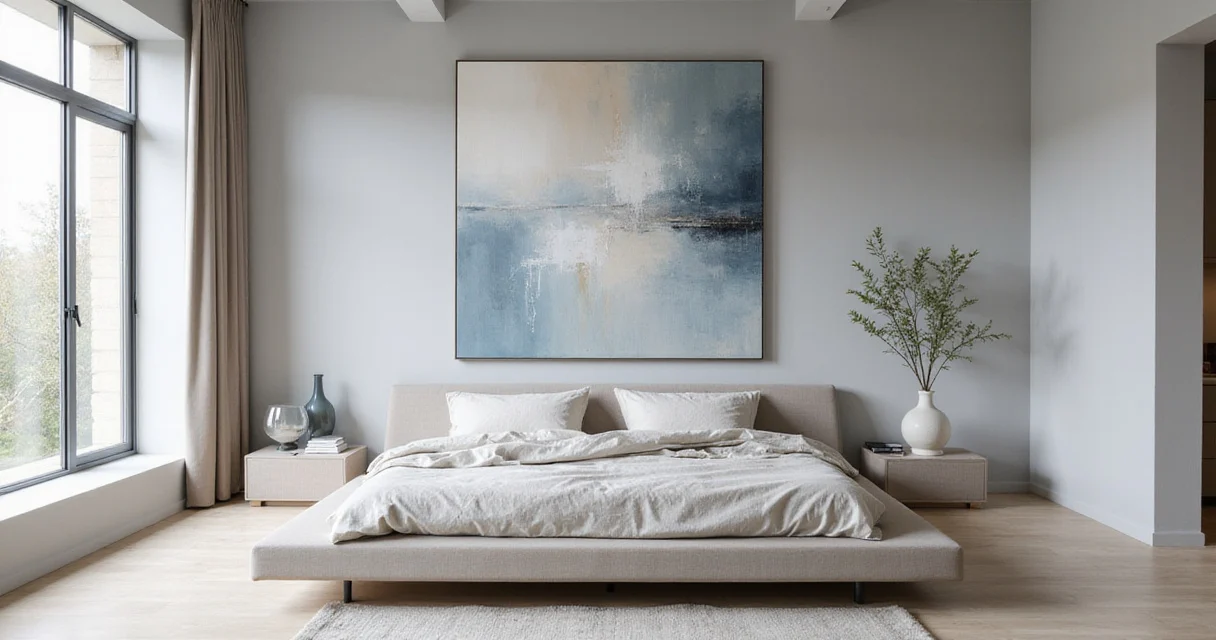
Choose artwork that’s hand-painted, abstract, or even weathered by time. Let the brush strokes and flaws show through. This celebrates the human touch—a key value in Wabi Sabi interior design.
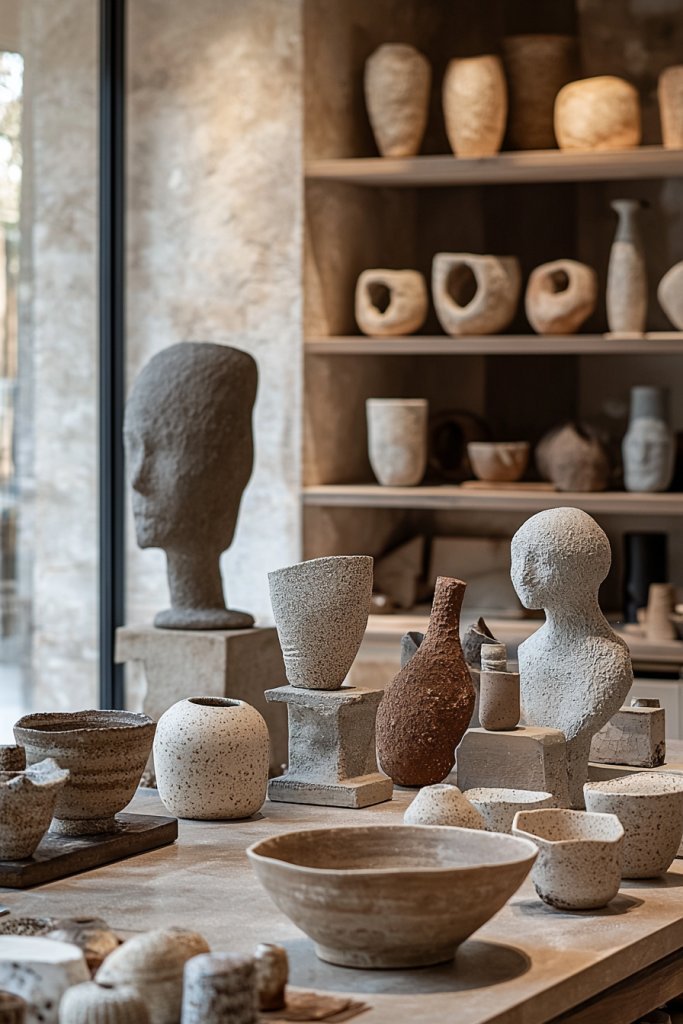
14. Earthy Pottery and Sculptures
Curate shelves with earth-tone pottery or stone sculptures. Their rugged textures and simplicity help ground the room and add a timeless Japanese-inspired Wabi Sabi elegance.
15. Minimalist Shelving with Purpose
Use open shelves sparingly to display intentional, imperfect pieces. Each item should have personal or aesthetic meaning to reflect Wabi Sabi’s core theme of mindful design.
16. Bare Floors with Subtle Rugs
Showcase wooden or concrete floors with small, worn rugs or tatami mats. Keep them minimal and textured—this preserves both warmth and the raw authenticity of Wabi Sabi interiors.
17. Subdued Fragrance and Sound
Incorporate calming elements like essential oils, incense, or soft wind chimes. These sensory details help maintain the meditative environment of Wabi Sabi home aesthetics.
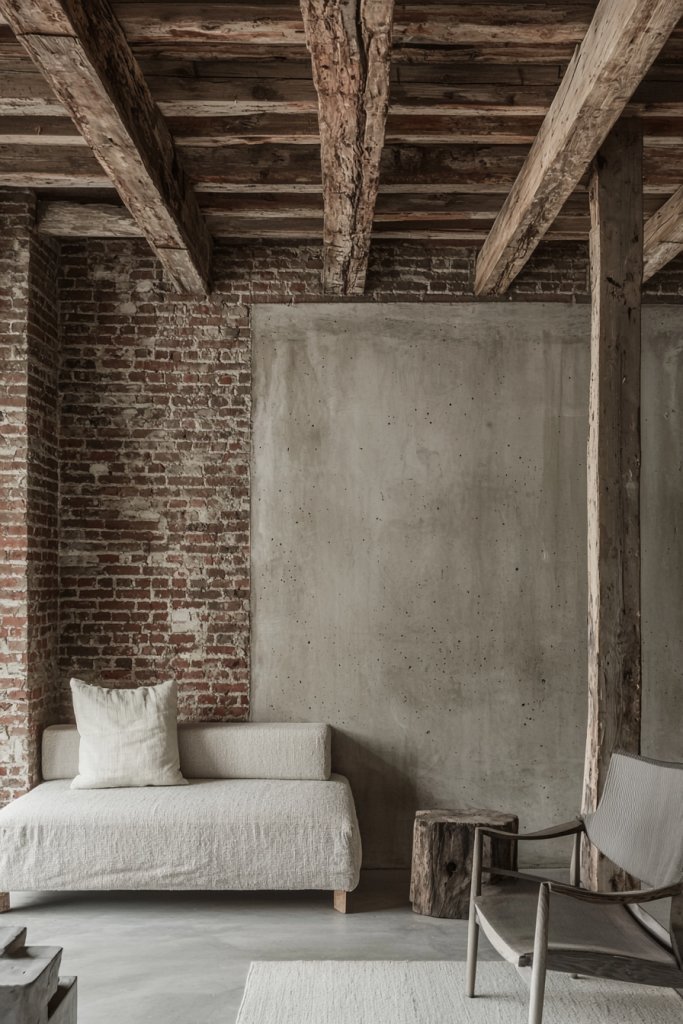
18. Cracked Glass or Bowls with Kintsugi
Display bowls or glassware repaired with kintsugi—the Japanese art of mending with gold. This literally highlights imperfections, honoring the Wabi Sabi ideal that damage adds value and beauty.
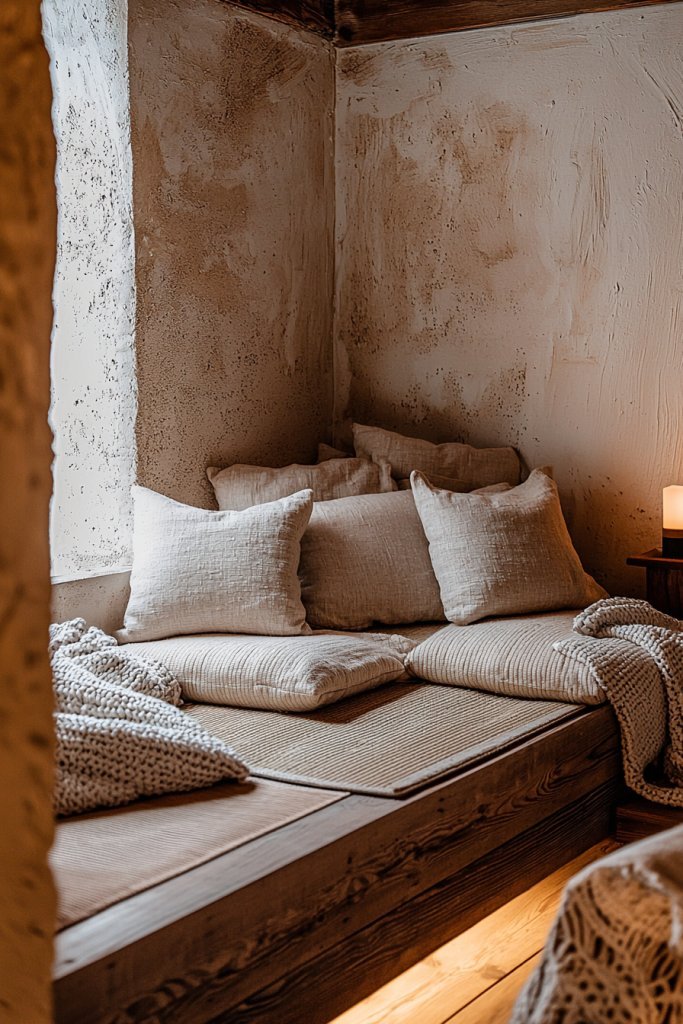
19. Earth-Inspired Art and Textures
Choose decor inspired by nature—like stone prints, leaf motifs, or sand patterns. These visuals add calm and align with Wabi Sabi’s nature-first philosophy.
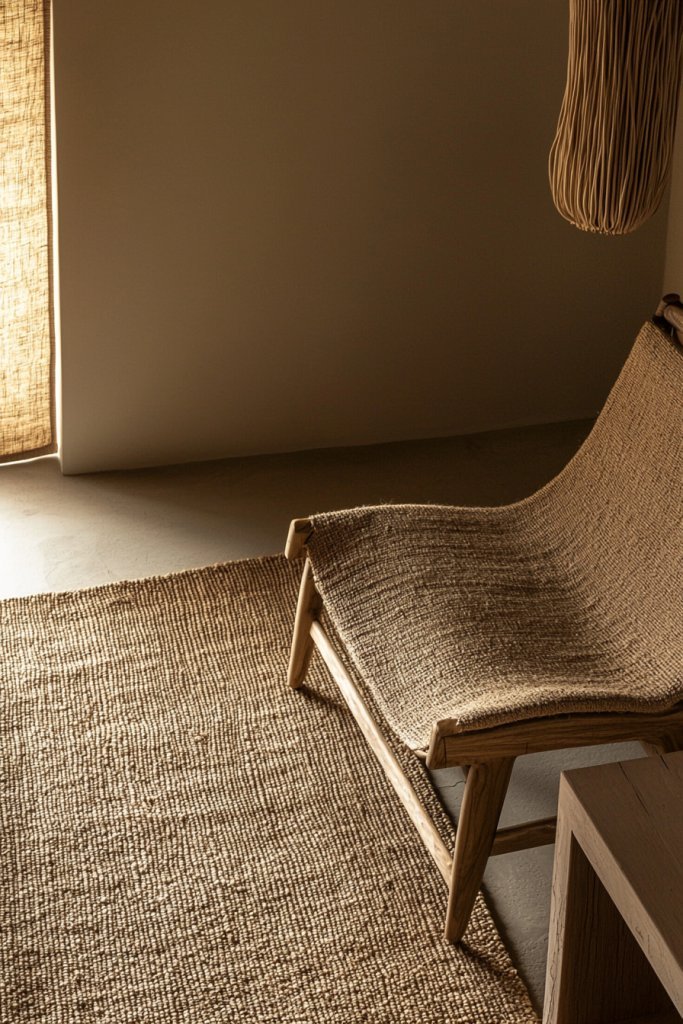
20. Clay or Concrete Walls
For larger renovations, use clay plaster or concrete walls. These finishes add tactile variation and represent the Wabi Sabi principle of rugged elegance and natural aging.
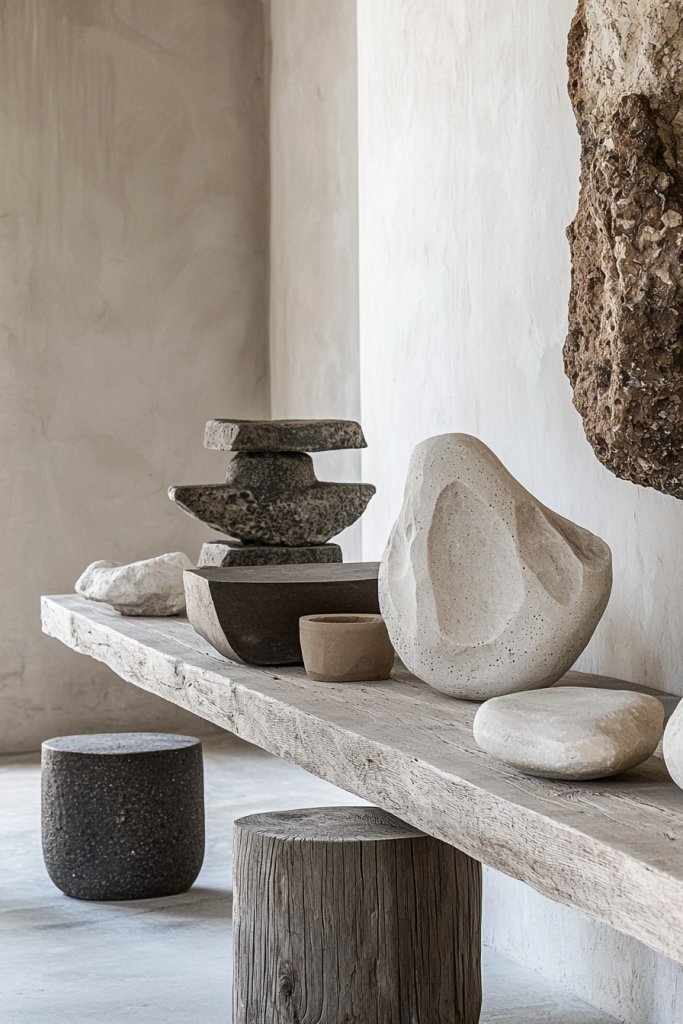
21. Layered Textures and Natural Weaves
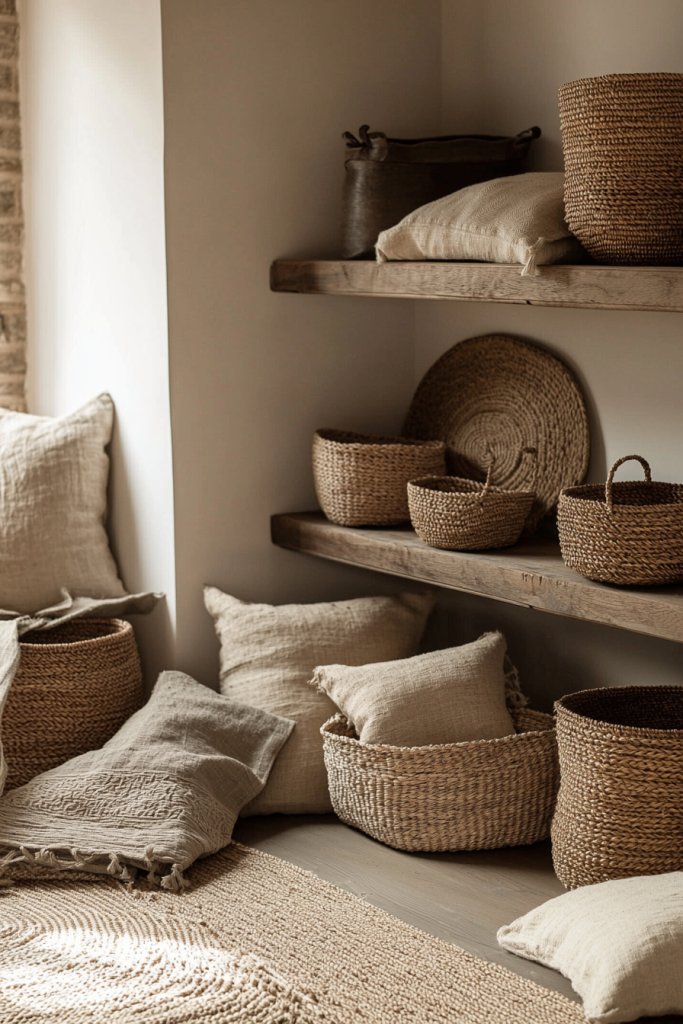
Layer textures like bamboo, rattan, jute, and hemp across your decor. These natural weaves help create a grounded, sensory-rich atmosphere essential to Wabi Sabi interiors.
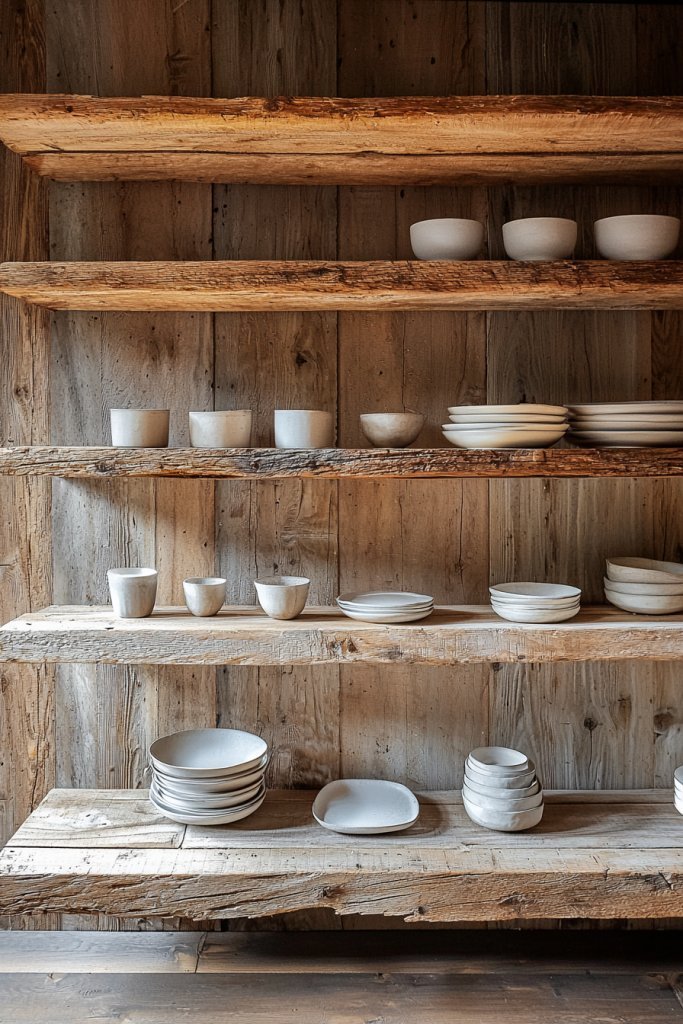
22. Space for Ritual and Pause
Create corners or nooks meant for tea, meditation, or reading. These intimate, intentional areas reflect the Wabi Sabi philosophy of slowness, simplicity, and spiritual connection.
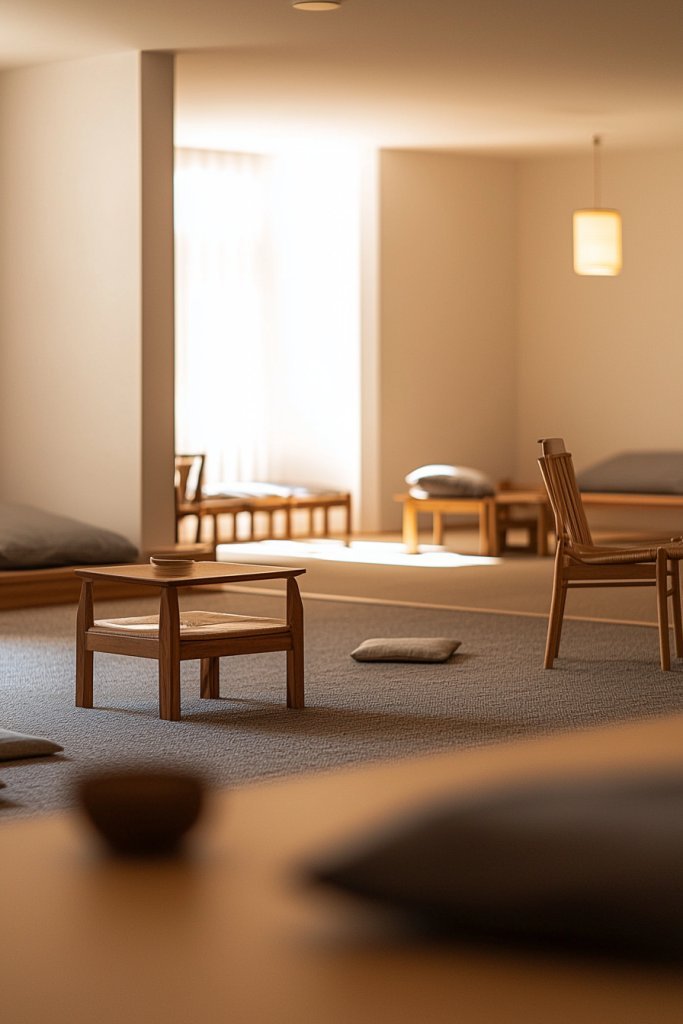
23. Celebrate Negative Space
Let your design breathe. Highlight quiet zones, blank walls, or open surfaces. Wabi Sabi home decor isn’t about filling space—it’s about allowing presence, light, and texture to shine through the gaps.
Conclusion
Embracing the beauty of imperfection, natural materials, and simple, thoughtful arrangements can transform your space into a serene sanctuary rooted in Wabi Sabi. From textured walls and weathered furniture to handcrafted ceramics and reclaimed wood accents, these ideas encourage authenticity and mindful living.
By incorporating these elements, you’ll create an environment that fosters calmness, warmth, and genuine beauty. Start infusing your home with these principles today and discover the peaceful harmony that Wabi Sabi Interior Design can bring to everyday life.